

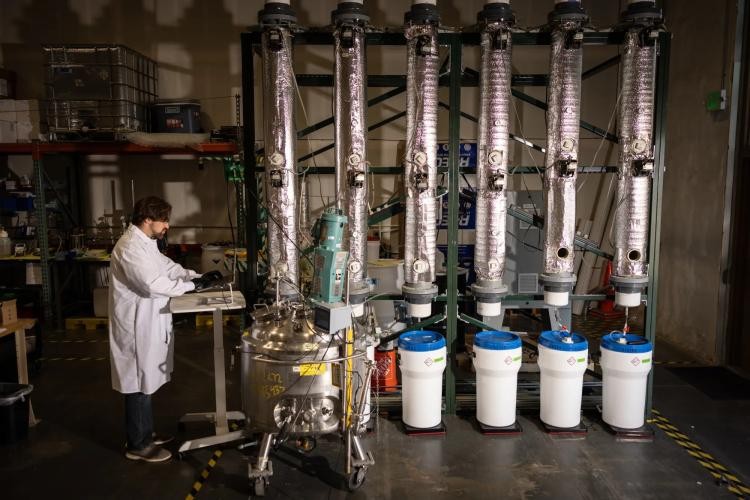
Colorado. Photo: Chet Strange/Bloomberg
The world is facing an increasingly severe copper shortage. Copper ore grades are declining sharply, forcing companies to invest more resources to extract the same amount of metal. Meanwhile, developing new mines often takes years due to high costs and regulatory hurdles. Nevertheless, copper demand continues to rise as the global shift toward electrification accelerates.
“Copper is essentially the foundational metal underpinning this transition,” said Kwasi Ampofo, head of metals and mining research at BloombergNEF.
For example, manufacturing an electric vehicle requires three to four times as much copper as producing a vehicle powered by an internal combustion engine. Ampofo warned that without a reliable supply, the world would have to choose between slowing the electrification of transportation and accepting significantly higher costs to keep the transition on track.
According to a report released by research firm S&P Global in January, the world could face a copper shortfall of up to 10 million metric tons by 2040, equivalent to a 25% gap between projected supply and demand.
Tightening supplies are driving the development of new mining solutions. In the US state of Arizona, KGHM Polska Miedź S.A., the owner of the Carlota copper mine, recently turned to an unusual team of “miners” to extend the life of a mine that had already passed its peak production years. Millions of these “miners” were shipped from a laboratory in Colorado in containers roughly the size of oil drums.
In fact, they are specialized microorganisms capable of thriving in acidic environments. They help release copper from ore by breaking down the iron and sulfur compounds surrounding it.
Endolith, a Denver-based startup, supplies these microorganisms to KGHM. The company will continue cultivating them in bioreactors installed directly at the mine site.
The microorganisms are then fed into an irrigation system and mixed with sulfuric acid. This mixture is dripped onto enormous piles of crushed rock, some covering areas equivalent to 10 football fields. There, a series of biochemical reactions takes place, releasing copper from the ore through a process known as bioleaching.
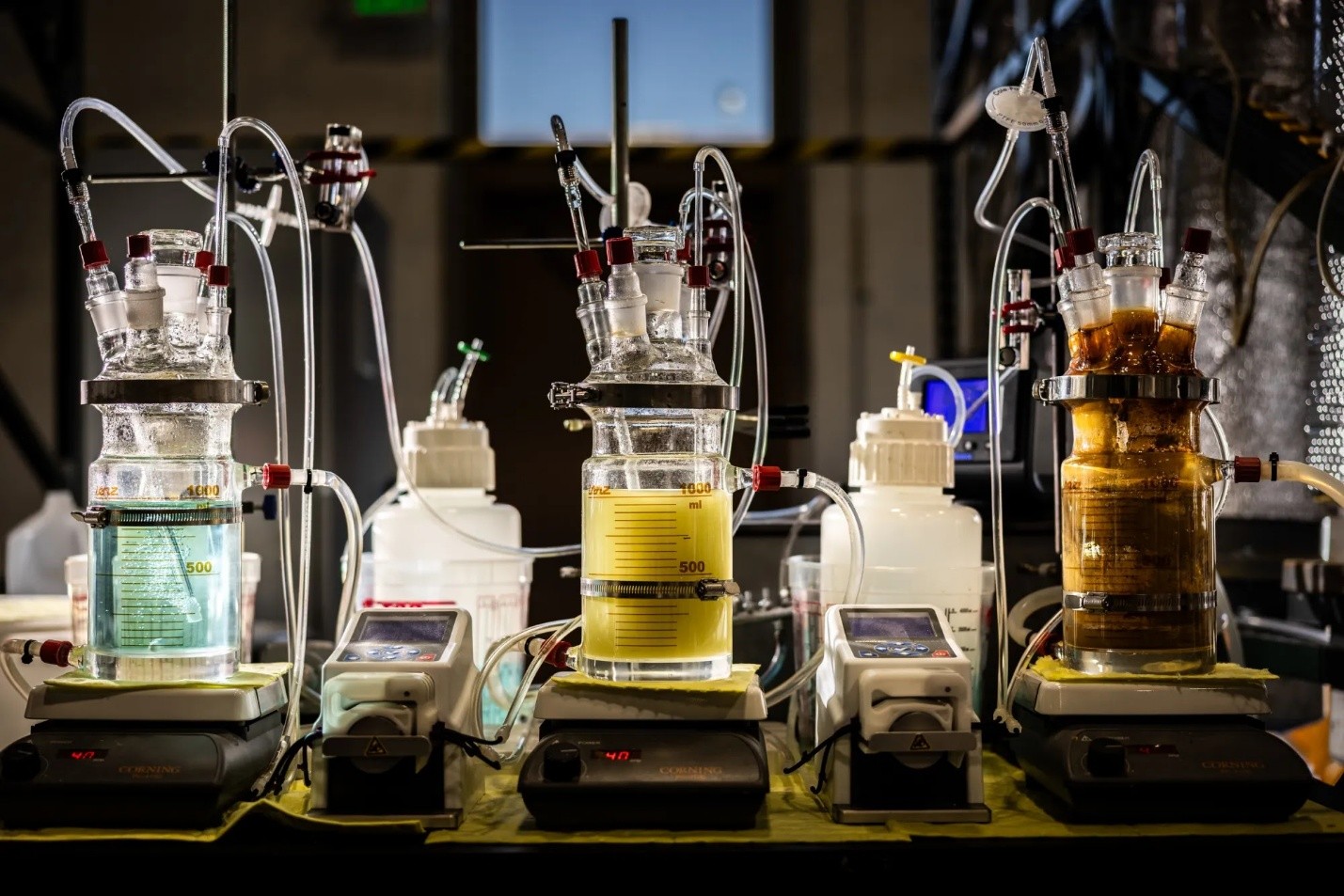
toxic conditions to enhance their resilience. Photo: Chet Strange/Bloomberg
If everything goes according to plan, Endolith’s microbial “miners” will help recover additional copper from the ore piles while reducing the amount of sulfuric acid required, at a time when the conflict in Iran is driving the price of this input sharply higher.
Endolith has not yet disclosed estimates of how much additional copper could be recovered, citing the early stage of the trial. However, Brock Johnston, who oversees operations at the Carlota mine for KGHM, is optimistic about the prospect of increasing output while reducing chemical consumption.
“Any improvement is beneficial,” Johnston said. After years of continuous mining, production at Carlota has fallen to around one-third of its peak level. Without intervention, the mining complex, which cost hundreds of millions of dollars to build, is expected to close by the end of the decade.
With copper essential to a wide range of industries, from electric vehicles and power grids to renewable energy equipment and artificial intelligence (AI) data centers, Johnston is concerned about the prospect of the mine shutting down as planned. “I worry about what the long-term situation will look like if we cannot keep up with demand,” he said.
Mining companies, both large and small, are racing to find ways to extract more copper from ore. Jetti Resources, another Colorado-based startup, is developing proprietary chemical catalysts to break down difficult-to-process sulfide ores. In Missouri, Emerson Electric Co. is upgrading conventional ore-leaching systems with smart sensors and automation technology.
Meanwhile, Nuton, a subsidiary of British-Australian mining giant Rio Tinto Group, is developing its own microorganism-based copper extraction technology. Earlier this year, Rio Tinto signed an agreement to supply Amazon.com Inc. with copper produced using this technology.
“There is still a lot we can do,” said Buz Barstow, an associate professor in the Department of Biological and Environmental Engineering at Cornell University. He noted that next-generation bioleaching technology still has considerable room for development.
Early forms of this technology were documented in China around 2,500 years ago, although scholars at the time did not understand the underlying scientific mechanisms. In the 1940s, American scientists identified bacteria capable of breaking down minerals in rocks, laying the foundation for modern industrial bioleaching. Today, the method is estimated to account for approximately 20% of global copper production.
However, despite decades of incremental improvements, conventional methods have yet to fully exploit the potential of microorganisms, creating opportunities for new technological breakthroughs.
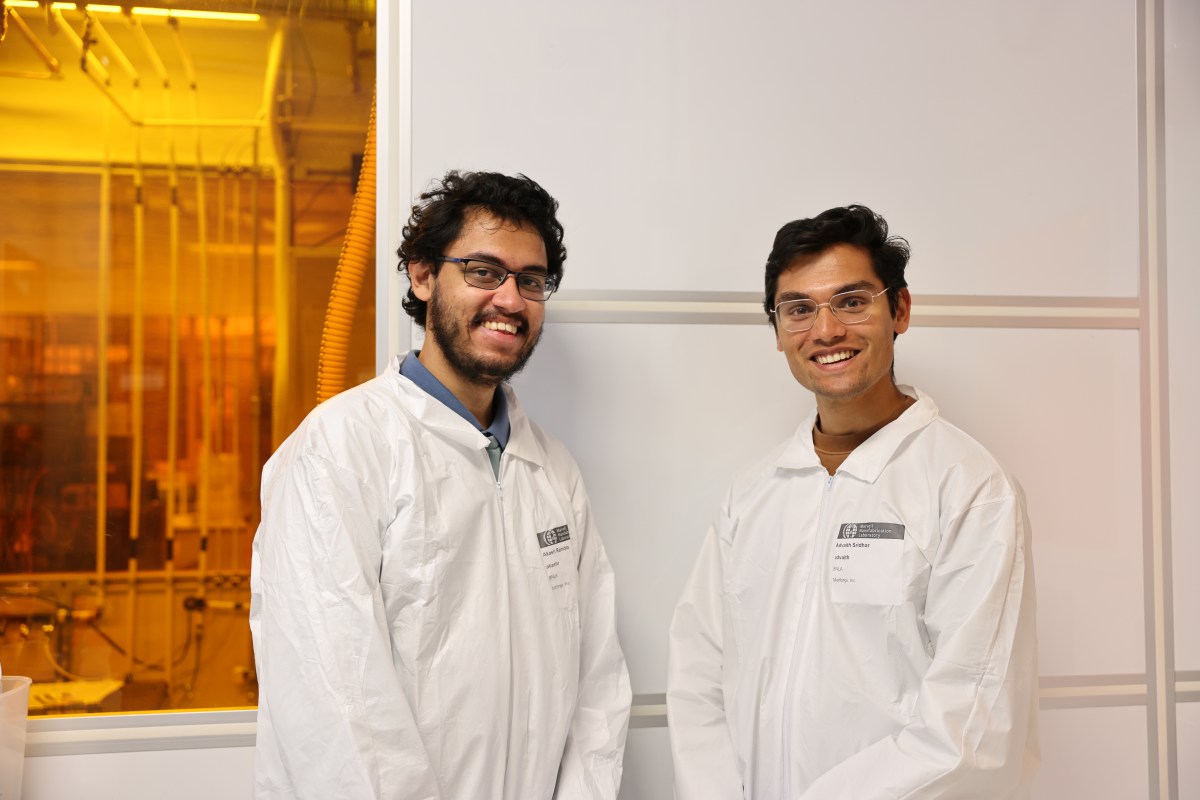
At Endolith’s laboratory in Denver, scientists expose microorganisms to harsh environments, ranging from high temperatures and concentrated acids to toxic conditions, forcing them to adapt to circumstances similar to those found at mining sites.
“We put microorganisms through a boot camp,” said Liz Dennett, Endolith’s founder and chief executive officer. She compared the approach to training athletes before they compete in the Olympic Games.
According to Dennett, this approach helps researchers bring microorganisms into “peak physical condition” while selecting the “right starting lineup” for the task of extracting copper.
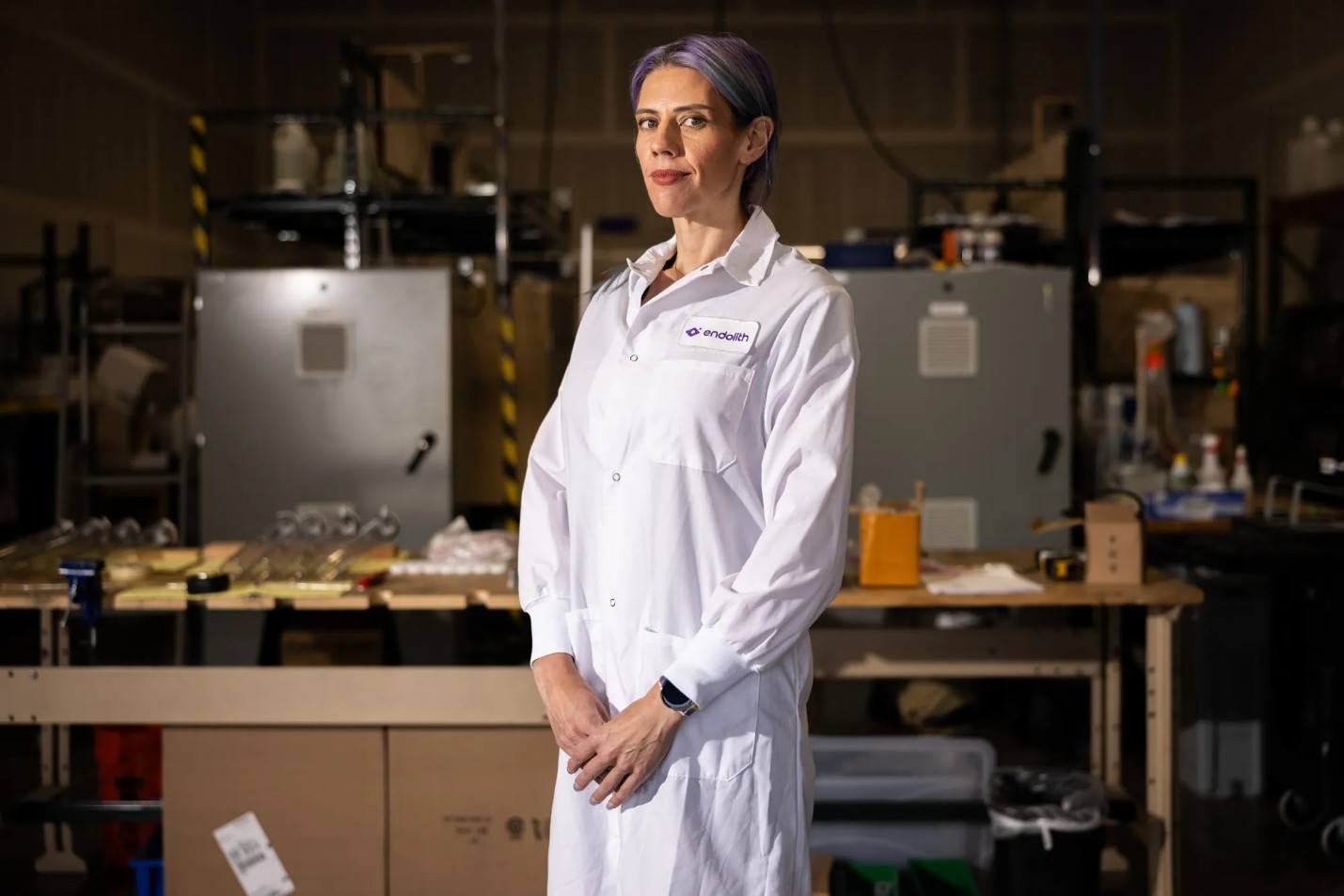
Endolith founder and Chief Executive Officer Liz Dennett. Photo: Chet Strange/Bloomberg
Unlike traditional bioleaching methods, which rely on a single bacterial strain, Endolith also cultivates diverse microbial communities combining multiple strains, sometimes numbering in the dozens, to improve survival rates and performance once deployed in the field.
When a mining partner provides an ore sample, scientists select several optimized microbial communities from Endolith’s library and place them in glass tubes filled with crushed ore. They then conduct experiments that simulate conditions in the customer’s leach piles. Over the following months, the microbial groups compete to determine which can extract the most copper. In addition to measuring the amount of dissolved minerals, scientists at the facility cut the experimental tubes in half, much like slicing a sausage, to examine the remaining material inside.
Founded in 2023, Endolith has raised approximately $23 million in venture capital from investors including Squadra Ventures, Draper Associates, and Collaborative Fund. The company is also working with major industry players such as BHP Group and Rio Tinto to evaluate its technology. Although it does not provide estimates for individual projects, Endolith says its overall goal is to recover at least 10% more copper from low-grade ores.
The startup also aims to change how microorganisms are deployed at mines. In the past, mining companies typically treated bioleaching as a static process, simply spreading bacteria over ore piles and leaving them there. However, because temperatures and acidity levels within these piles fluctuate continuously, Endolith plans to monitor microbial activity and adjust the microbial mix to optimize copper recovery.
However, this ambition has drawn skepticism from some experts.
A commercial leach pile is “an active system with its own set of rules,” said Jaeheon Lee, an associate professor specializing in bioleaching at the Colorado School of Mines.
“Controlling a leach pile is almost impossible,” he added.
Nevertheless, the scientists behind the latest wave of advances in bioleaching argue that recent technological breakthroughs have set their efforts apart from unsuccessful attempts in the past.
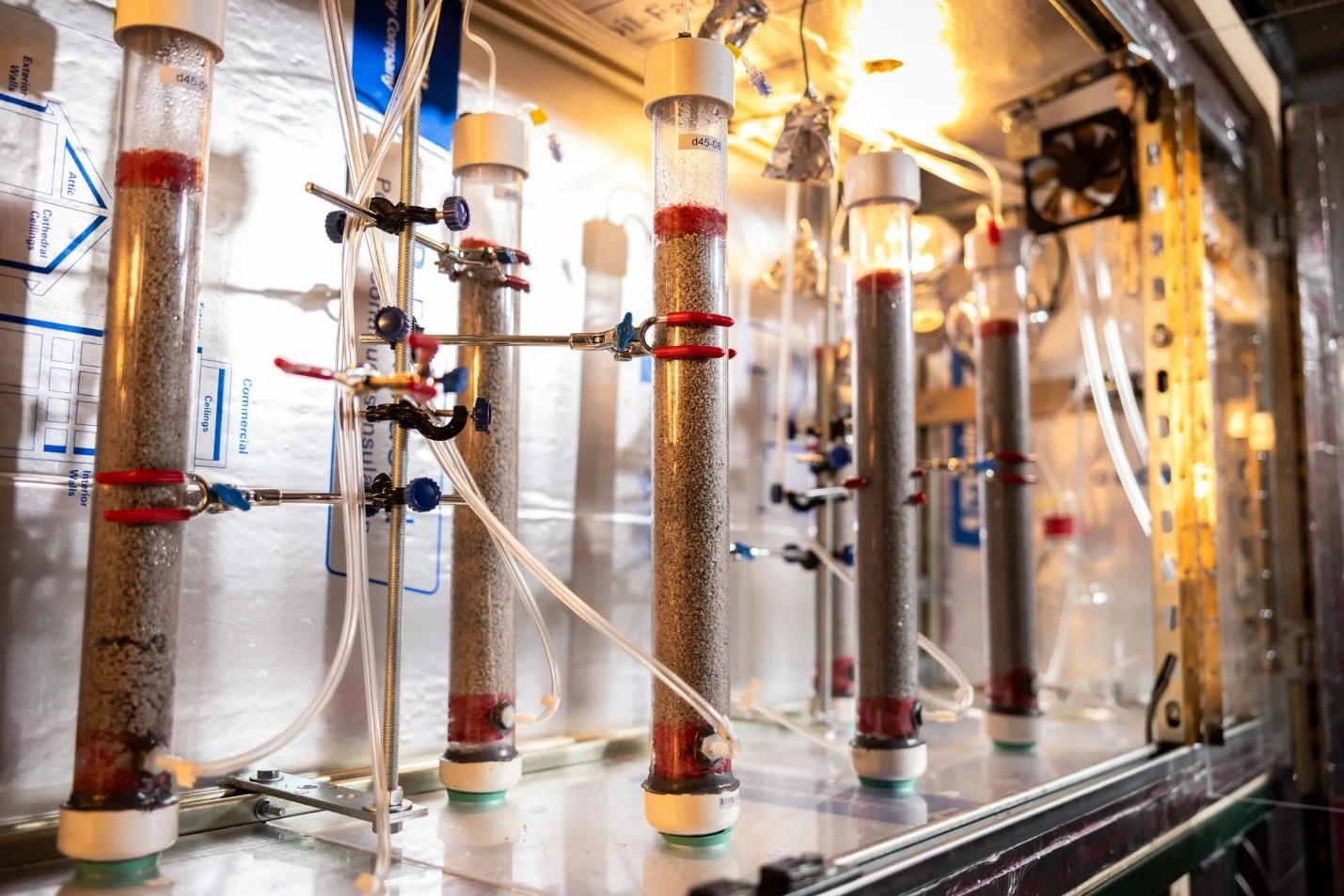
Experimental boxes simulating the bioleaching process at Endolith’s facility.
Photo: Chet Strange/Bloomberg
Christine Green, Endolith’s vice president of technology and operations, experienced firsthand the limitations of traditional methods while conducting bioleaching experiments for US mining company Freeport-McMoRan in the 2000s. She recalled that at the time, she could not even examine how microorganisms interacted with minerals deep inside ore piles, let alone improve the process. Today, advances in DNA sequencing and cloud computing have given her renewed hope of overcoming this challenge.
Green said laboratory analyses that once took months to complete can now deliver results within 24 hours using the latest tools. Moreover, AI enables scientists to process and analyze vast amounts of data more efficiently and quickly. She said the new information being gathered “will make a significant difference.”
Whether Endolith can turn that promise into reality remains to be seen. Like many other companies seeking to revolutionize bioleaching, the startup is only beginning to scale its technology from the laboratory to industrial applications. The real test will begin in the coming months, when Endolith conducts its first field trial on a commercial-scale leach pile at the Carlota mine.
“Proving that this technology works in the field will be a game changer,” Dennett said. Unlike controlled laboratory environments, outdoor heap-leaching operations expose optimized microorganisms to natural conditions and unexpected operational challenges.
Even if the trial at Carlota succeeds, industry experts say Endolith will still face numerous hurdles before its technology can be adopted more widely. Because ore mineralogy, chemistry, and environmental microbial communities vary from one mountain to another, the startup must tailor its solution to each customer.
“Finding a silver-bullet bioleaching process that can be scaled from one mine to another is the gap the industry is trying to close,” said Ampofo of BNEF.
Endolith charges mining companies for its microbial solutions and on-site monitoring services. Dennett estimates that the startup’s business model has a financial payback period of less than a year, although its economic viability at scale has yet to be proven. Environmental costs are another concern. Industry experts say that cultivating microorganisms in bioreactors to recover metals from existing mines has a smaller carbon and ecological footprint than digging new mines, but further research is needed to fully understand the environmental impact.
Back in Arizona, Johnston is eager to find out whether this microscopic workforce can breathe new life into his mine. He said that if the trial demonstrates its value, KGHM will consider deploying the technology at more of its mines.
Once shaped by a risk-averse mindset, the global mining industry is now being forced to adapt.
“Change has to happen because we need these improvements,” Johnston said, adding that the technology could play a “fairly significant” role in the future of copper mining. Ultimately, he said, “they really want to maximize what they can get out of it.”
(Source: Bloomberg Businessweek Vietnam)